The 2026 edition opens a new chapter, moving from dialogue to delivery with practical examples of cross sectoral collaboration. Expect keynote speeches, panel discussions and good practice across four themes:
✓ Healthcare through movement: exercise in prevention, and how to increase investment in it.
✓ Medical weight loss: combining medication and exercise, and why resistance training is essential, with a lived experience perspective.
✓ Mental health and youth: how physical activity supports mental health and engages young people.
✓ Innovation & tech: turning data into action responsibly.

With young people’s mental health increasingly in the spotlight, could physical activity be one of the most powerful tools we are yet to fully embrace? Bringing the latest research into conversation with EU policy developments and initiatives tackling the inactivity crisis, this panel will explore how we can turn growing awareness into meaningful action. From putting young people's mental health firmly on the agenda of fitness sector through initiatives such as #BEACTIVE DAY campaign, to practical examples from Ireland, the discussion will consider what more can be done to make physical activity part of the solution and ensure that young people have every opportunity to move more, feel better, and build meaningful social connections.
In the aftermath of the COVID-19 pandemic, as young people spend increasing amounts of time in digital environments and concerns around mental health and social isolation continue to grow, can the fitness sector help turn the tide? This presentation will introduce EuropeActive’s position paper on youth, mental health and fitness, exploring the European policy landscape and making the case for more accessible, youth-friendly fitness environments as part of the solution.

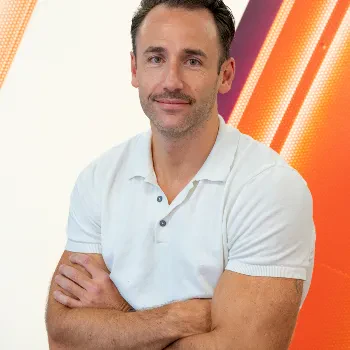
How the #BEACTIVE DAY campaign can promote mental health, wellbeing and inclusion through physical activity? Two National Associations from the #BEACTIVE DAY 2026 project consortium will discuss how mental health and wellbeing have been integrated into the campaign and how this year’s inclusion focus has shaped activities and engagement in their respective countries.
Through practical examples of events, conferences and initiatives, the speakers will reflect on why mental health and wellbeing matter, how the fitness sector has responded, and the role of #BEACTIVE DAY in promoting more inclusive and supportive fitness environments.

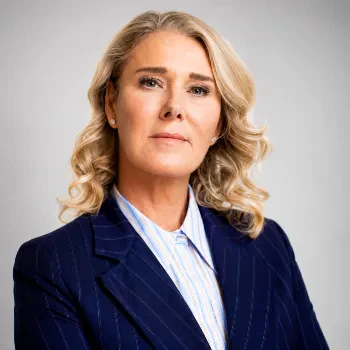
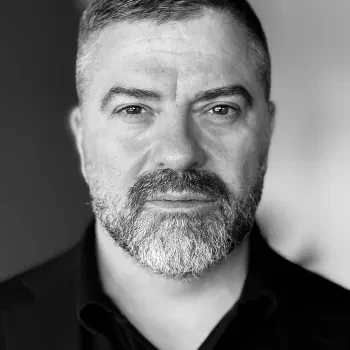
GLP-1 therapies are changing the way obesity is treated, but medication alone cannot address the full picture of long-term health. This keynote will explore the WHO Europe's perspective on combining GLP-1 treatments with physical activity and nutrition, drawing on the latest evidence and examining what this means for health systems, obesity care pathways and the role of the fitness sector in supporting lasting health outcomes.
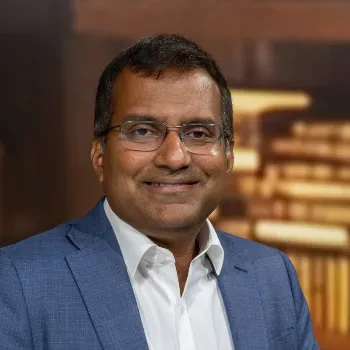
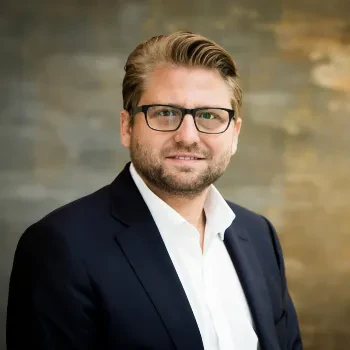
Preserving muscle mass is one of the key challenges for people undergoing GLP-1 treatment, but how can strength training make a difference? EGYM CEO Philipp Roesch-Schlanderer will bring a personal perspective, sharing his own experience as a GLP-1 user alongside insights from EGYM’s clinical research into muscle preservation during treatment. The keynote will explore how stronger evidence can position fitness as an integral part of treatment support and open new opportunities for employer-funded health and wellbeing programmes.
As GLP-1 therapies reshape the landscape of weight management and metabolic health, what role does the fitness and physical activity sector have to play? This presentation will introduce EuropeActive’s position paper on GLP-1 therapies, making the case for resistance training as an essential complement to medical treatment to preserve muscle mass, maintain functional capacity and support long-term health. It will also address responsible use, the importance of lasting lifestyle changes and the need to ensure equitable access to support.
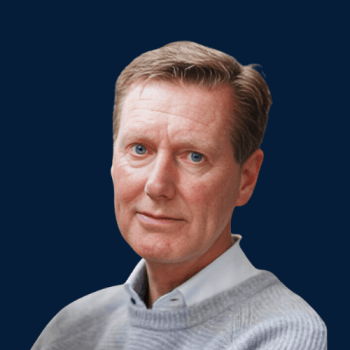
The session opens with a 15-minute presentation exploring the impact of GLP-1 on the fitness sector, drawing on trends and data from the Netherlands. This will be followed by an interactive workshop bringing together policymakers, fitness operators, national associations and civil society to discuss how to create a more joined-up approach to medical weight loss. Through focused group discussions, participants will identify practical solutions, opportunities for collaboration and concrete recommendations to help define the fitness sector’s role in this evolving health landscape.
Wearables, AI and digital health tools are changing how we understand and manage our health. But how can the fitness sector make the most of these developments? This panel will explore how technology and wearable data can support more personalised approaches to prevention and health, and how the insights they generate can complement traditional medical data. Panellists will also address the opportunities and challenges of responsible data sharing, interoperability, GDPR and AI, and what it takes to turn technological innovation into better health outcomes.
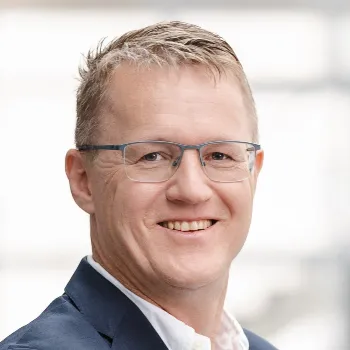
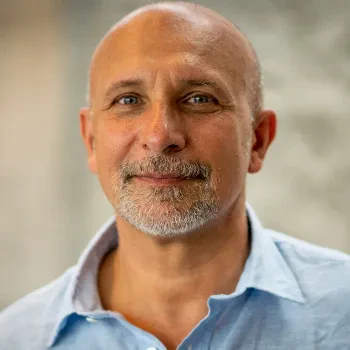
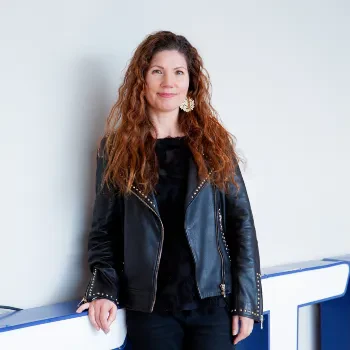
From sport and physical activity to youth, culture and intergenerational fairness, how can these interconnected policy areas contribute to a healthier and more inclusive Europe? In this closing keynote, European Commissioner Glenn Micallef will bring together the different strands of his portfolio, highlighting how sport and physical activity can help advance wider EU priorities, support the wellbeing of future generations and build a more active, connected and inclusive society.